Nitric acid 57
Application:
for obtaining ammonium nitrate;
complex fertilizers (nitrogen, etc.);
for oxidative etching processes of metals, as well as for the separation of silver and gold;
in the production of some explosives (for example, trinitrotoluene);
when receiving some organic dyes;
for the production of sulfuric and phosphoric acid;
in rocketry (rocket fuel oxidizer);
in the food industry - food additive E941.
-
What does it look like
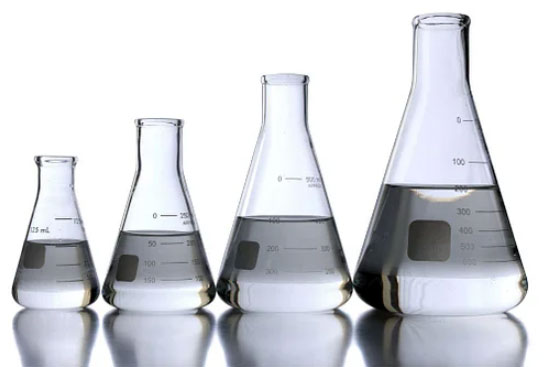
like wather
-
Mass fraction of active substance
99 percent
-
Fraction of tertiary amine
0.0005
-
Hydrogen ion activity index
-
-
Melting temperature
-
Precautions and Transportation
Nitric acid is harmful to animals and plant tissues, provokes the ignition of flammable materials. Causes skin redness, irritates the mucous membranes of the nose, eyes, mouth, and also causes problems with the respiratory tract.
Indicator name
Norm for grades: Superior, 1st grade, 2nd grade
Appearance: colorless or slightly yellowish transparent liquid without mechanical impurities
Mass fraction: nitric acid (НNО3),%, not less than 57.0 56.0 46.0
The content of nitrogen oxides in terms of N2O4,%, no more than 0.07 0.1 0.2
Calcined residue content,%, not more than 0.004 0.02 0.05
Formula: HNO3
Hazard class: ADR 3
Not flammable. Fire hazardous. Smokes a lot in the air. An energetic oxidizing agent that, on contact with many combustible substances, causes them to ignite spontaneously. Toxic. Vapors are heavier than air.
Packing: canister 27kg
Storage conditions: in ventilated unheated warehouses
Shelf life: 6 months from the date of manufacture.
Technical nitric acid 57% dissolves some metals well, while at higher concentrations the metals do not dissolve.
This property is used for cleaning pipelines from metal salts.
Nitric acid technical 57% is used in almost all industries.